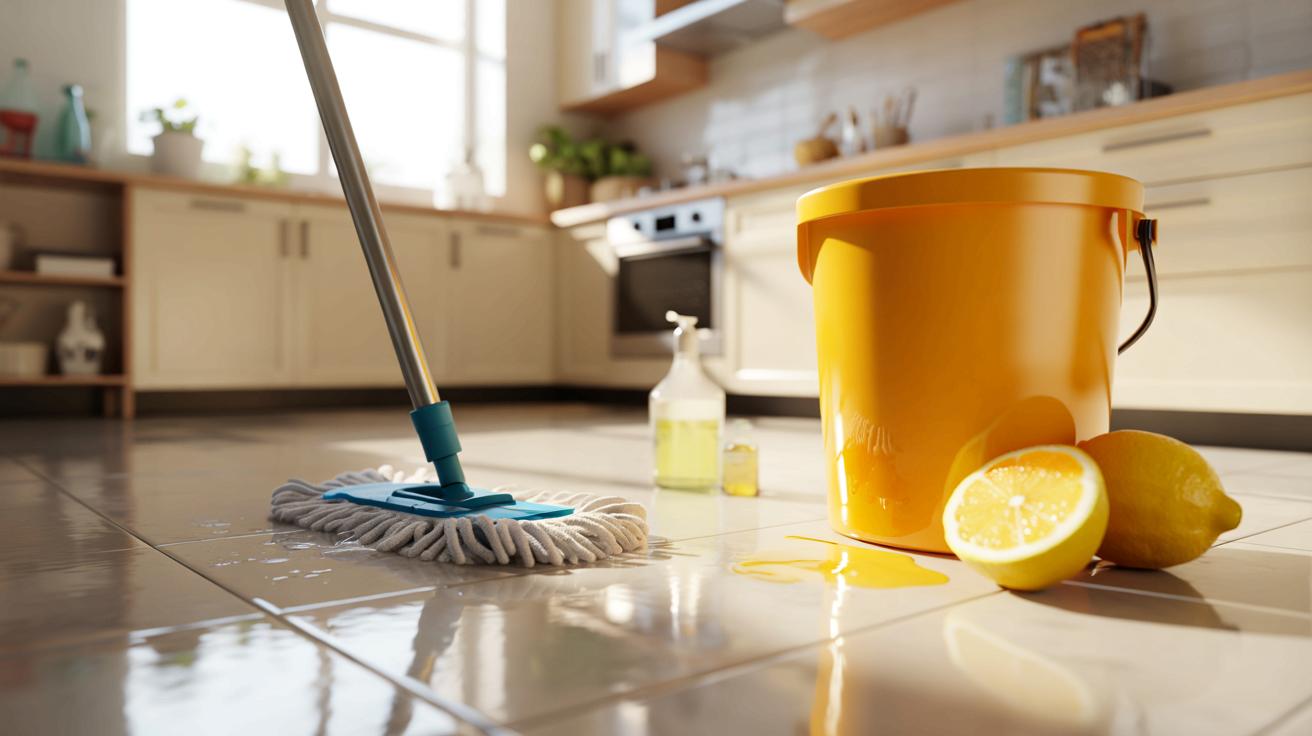
Across kitchens, hallways and bathrooms, floors take the worst of everyday life. Spills, dust, pet hair and bacteria pile up fast, and most households reach for powerful chemicals to keep things in check. A simpler, cheaper and much gentler ingredient, sitting in almost every fruit bowl, can do the job just as well for many homes.
Why looking after your floors really matters
The floor is the biggest surface in any home. Every step, every crumb and every splash ends up there. If cleaning slips down the to-do list, dirt does not just stay visible on the surface – it builds up in tiny cracks, grout lines and joints.
That build-up becomes a reservoir for dust mites, pollen and bacteria. For people with allergies or asthma, that can mean more sneezing, irritated airways and itchy eyes. Young children, who crawl and play on the floor, are exposed even more closely to what lands there.
There is also a visual side. A streaky or dull floor instantly makes a room feel neglected, even when the rest of the space is tidy. Shiny tiles or clean wooden boards, on the other hand, change how bright and spacious a home feels.
Short, regular sessions work better than occasional deep cleans. A quick sweep or vacuum followed by a light mop every couple of days in busy areas keeps grime from ever really settling in.
Clean floors are not just a cosmetic detail; they shape indoor air quality, comfort and the overall feel of a home.
Why bleach and ammonia are not always the answer
Bleach and ammonia earned their place in the cupboard because they are fierce against germs. Yet, used on the wrong surface or in too strong a dose, they can do more harm than good.
- Surface damage: Ceramic tiles may cope, but grout, vinyl, laminate and some stones can fade, crack or lose their finish.
- Harsh fumes: The smell is not just unpleasant. Fumes can irritate eyes, throat and lungs, especially in small bathrooms or poorly ventilated flats.
- Dangerous mixes: Bleach must never be mixed with ammonia or acidic products, as this can release toxic gases.
- Overkill in daily life: For routine cleaning in a healthy home, heavy-duty disinfectants are often unnecessary.
That is why cleaners are increasingly looking at milder, food-grade ingredients that still cut through grease and bacteria, without the sting.
The simple ingredient to add to your mop bucket
The star of this alternative method is lemon. The same fruit you squeeze over fish or into tea turns out to be a remarkably versatile cleaning ally.
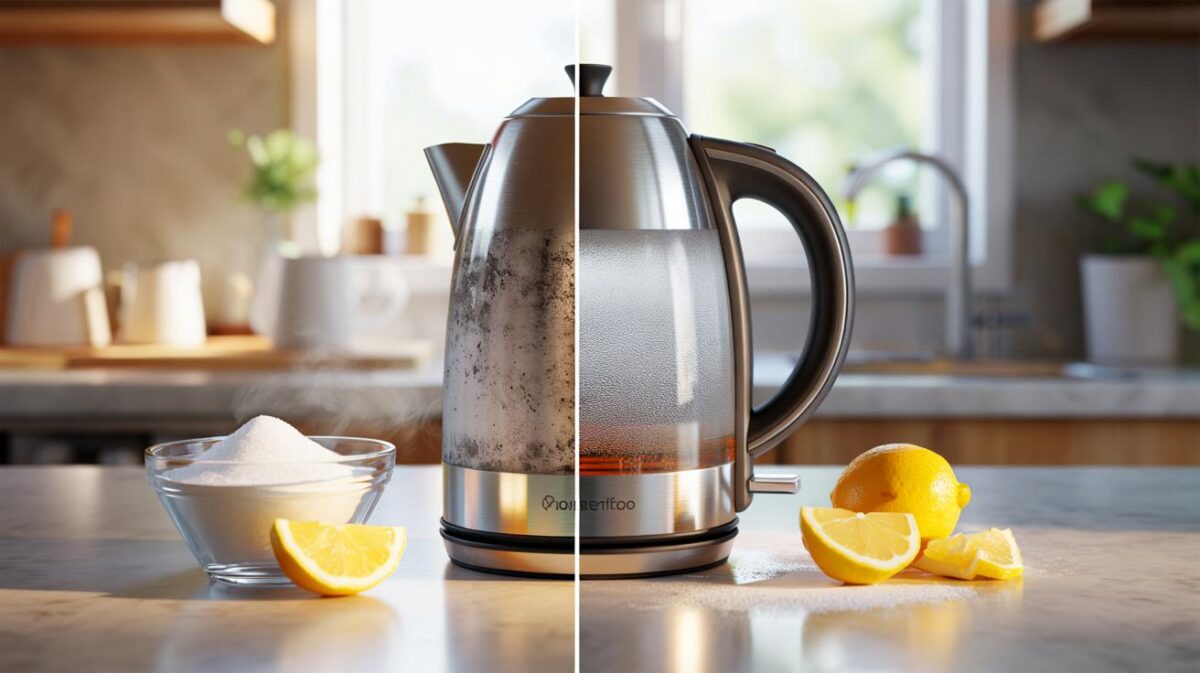
➡️ No vinegar, no soap: the magic trick to banish limescale from your electric kettle
➡️ Forget the classic bedroom wardrobe, everyone now wants this space‑saving alternative
➡️ Few drivers know the meaning of this road sign – and the costly fine it can trigger
➡️ Neither chess nor crosswords: the best activity to keep your brain sharp after 60
➡️ Warning signs are building: what’s brewing in the Pacific signals a harsher new climate phase
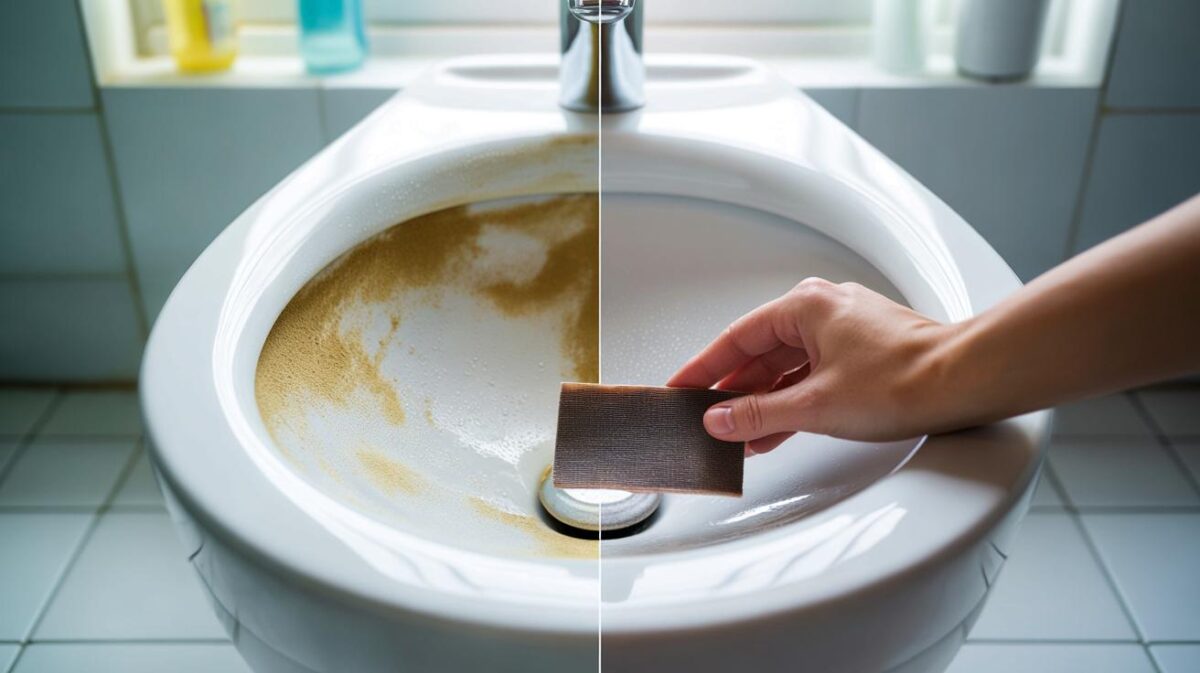
➡️ The product to use to clean the inside of the toilet like new, without effort and in seconds
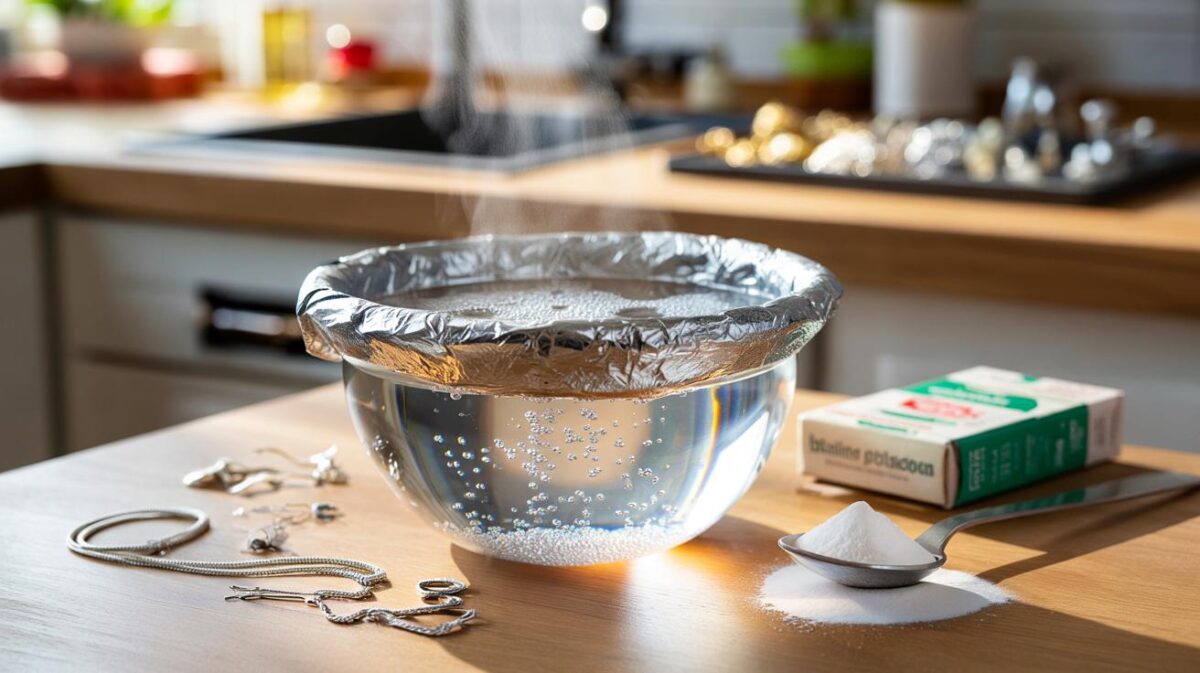
➡️ The simple trick to clean your jewellery easily and make it look new
What lemon does on your floors
Lemon juice contains citric acid, a mild organic acid with several helpful properties for hard floors, especially tiles and ceramic:
- It helps break down greasy residues from cooking, shoes and pets.
- Its natural acidity creates an environment that is hostile to many everyday bacteria.
- It helps loosen light limescale marks from splashes of hard water.
- It leaves a fresh, clean scent rather than a chemical cloud.
A splash of lemon juice in your mop water turns basic cleaning into gentle degreasing and deodorising in one go.
How to use lemon in your mop water
The method is straightforward and quick, which is part of its appeal.
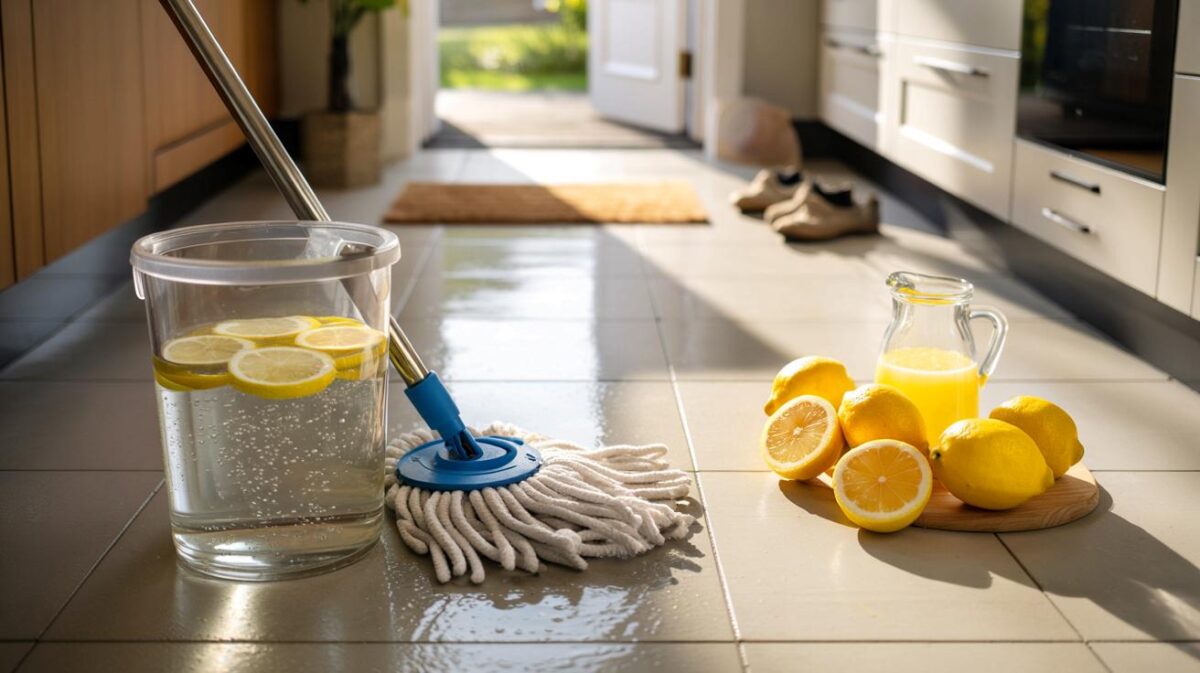
- Fill a bucket with warm water.
- Squeeze in the juice of one large lemon (or 2–3 tablespoons of bottled lemon juice).
- Give it a quick stir, then dip and wring your mop as usual.
- Mop the floor, paying attention to greasy areas such as near the cooker or dining table.
- Let the floor air-dry; no rinsing is needed on most tiled or ceramic surfaces.
For a slightly stronger effect on stubborn patches – such as dried food, sticky footprints or tracked-in mud – you can apply diluted lemon juice directly with a cloth, leave it for a minute, then wipe away and finish with your mop.
Lemon-based mop water is gentle on most tiles and grout when diluted, while still powerful enough for day-to-day grime.
A second kitchen staple that helps: white vinegar
For people who want an option alongside lemon, white vinegar is another widely used floor-cleaning ally. Made from fermented alcohol, it contains acetic acid, which is slightly stronger than the citric acid in lemon.
Vinegar for bright, streak-free tiles
On ceramic tiles and many sealed surfaces, diluted white vinegar offers several benefits:
- It dissolves light limescale marks and soap residues, useful in bathrooms and kitchens.
- It helps cut through oily films that leave floors looking dull.
- It evaporates cleanly, which often means fewer streaks and marks than some multi-surface sprays.
- It is inexpensive, widely available and does not require special storage.
A common home recipe is one part white vinegar to ten parts warm water in the bucket. As with lemon, mop as usual. For those who dislike the vinegar smell, adding a little lemon juice helps soften the odour while doubling the cleaning effect.
| Ingredient | Main benefit | Best for |
|---|---|---|
| Lemon juice | Fresh scent, degreasing, light antibacterial effect | Kitchen tiles, everyday mopping |
| White vinegar | Limescale removal, streak-free finish | Bathroom tiles, hard water marks |
When to be careful with lemon and vinegar
Lemon and vinegar are mild compared with bleach and ammonia, but they are still acidic. Some floors do not handle acids well.
- Natural stone: Marble, travertine, limestone and some slates can etch or dull if cleaned with acidic solutions.
- Waxed wood: Strong acidity may strip protective wax layers, leading to patchy, uneven shine.
- Old or damaged sealants: Cracked or worn seals on floors can allow liquids to seep in and stain.
For these surfaces, a pH-neutral cleaner or simply warm water with a tiny amount of gentle dish soap is safer. A discreet test in a corner behind a door helps avoid unwanted surprises.
Acid-based homemade cleaners work best on modern tiles and properly sealed surfaces; delicate materials need a gentler approach.
How often should you mop with these natural boosters?
In a typical household, high-traffic areas such as hallways and kitchens benefit from mopping two or three times a week. Bedrooms and less-used rooms may only need a full mop once a week, paired with regular vacuuming.
Using lemon or vinegar at this frequency does not usually pose a risk to robust tiled floors. For those who mop daily, especially in very small flats, rotating between plain water and lemon water can keep the balance between cleanliness and long-term surface care.
Practical scenarios inside a busy home
Imagine a flatshare kitchen after a weekend. Oil splatters near the hob, sticky streaks where juice dripped and muddy prints by the back door. A mop bucket with warm water and lemon juice cuts through the greasy film without a harsh smell lingering into Monday morning.
In a family bathroom, chalky white spots from hard water often appear around the shower and sink. A mop bucket with a little white vinegar helps lift these marks from the tiles, while a cloth dipped in the same mix takes care of the skirting boards and floor edges.
Why this shift matters for health and budget
Moving away from bleach and ammonia for routine floor cleaning does not just protect surfaces. It can mean fewer respiratory irritations for people sensitive to strong fumes. Ventilation still matters, but the air tends to clear faster after mopping with lemon or vinegar.
On a financial level, a bottle of white vinegar and a small bag of lemons often cost less than branded disinfectant sprays. Because they are multipurpose – used for cooking, descaling kettles, freshening bins and cleaning floors – households can buy fewer specialised products overall.
Using kitchen ingredients for floor care softens chemical exposure, trims the household budget and keeps everyday cleaning surprisingly simple.
For many homes with standard tiled floors, adding a measure of lemon juice to mop water is enough to keep surfaces clean, fresh and welcoming without the eye-watering sting of bleach or ammonia. That small change in the bucket can shift the whole feel of a room.