Between handwashing, perfume, air pollution and the odd cleaning spray, jewellery quietly loses its sparkle. A viral home trick claims to bring it back in minutes, with ingredients most of us already have lurking in a cupboard.
The kitchen trick breathing new life into tired jewellery
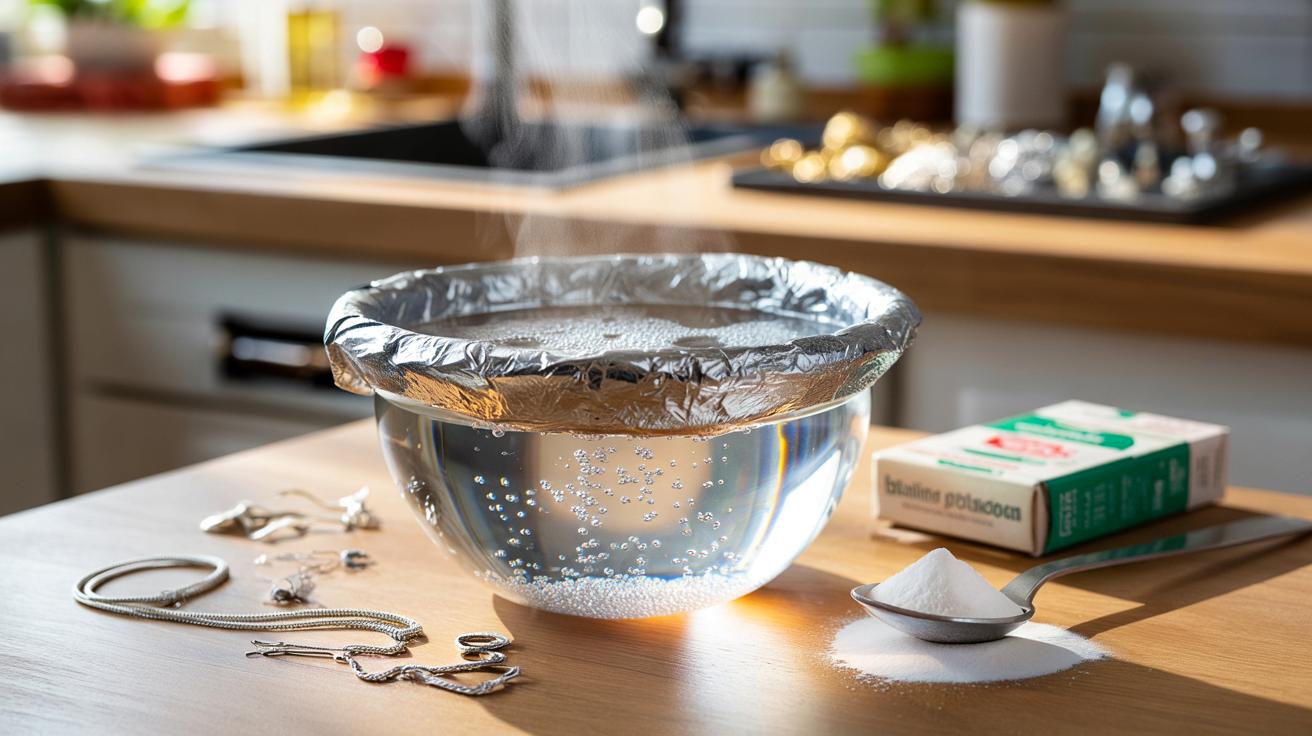
The method doing the rounds online relies on three basic items: boiling water, aluminium foil and bicarbonate of soda (baking soda). No ultrasonic machines, no specialist polish.
Here’s how it works in practice at home:
- Boil enough water to cover the pieces you want to clean.
- Line a heatproof bowl with aluminium foil, shiny side facing up towards the jewellery.
- Place your tarnished silver jewellery in direct contact with the foil.
- Add around two tablespoons of bicarbonate of soda.
- Pour the boiling water over the lot and leave it for roughly 10–15 minutes.
In contact with hot water and bicarbonate, aluminium triggers a reaction that “pulls” oxidation off silver and onto the foil.
When you lift the pieces out, they often look like they’ve skipped a few years of wear. A quick rinse in clean water and a rub with a soft microfiber cloth finishes the job.
What’s actually going on in that bowl
This is more than an old wives’ tale. It’s chemistry. Tarnish on silver is mostly silver sulphide, formed when the metal reacts with sulphur in the air or in products like rubber and some cosmetics.
In the hot solution, aluminium is more reactive than silver. The aluminium effectively sacrifices itself, so the sulphur leaves the silver surface and bonds elsewhere. The tarnish layer breaks up and loosens, while the silver underneath reflects light again.
The bicarbonate of soda helps conduct this electrochemical traffic and softens residues, making everything easier to lift away once you rinse and dry the piece.
The goal isn’t to scrub metal off your jewellery, but to reverse the chemistry that dulled it in the first place.
➡️ Warning signs are building: what’s brewing in the Pacific signals a harsher new climate phase
➡️ Few drivers know the meaning of this road sign – and the costly fine it can trigger
➡️ No vinegar, no soap: the magic trick to banish limescale from your electric kettle
➡️ The ingredient you need to add to your mop bucket for floors that stay clean longer
➡️ Forget bleach and ammonia: the ingredient to add to your mop water for perfectly clean floors
➡️ Neither chess nor crosswords: the best activity to keep your brain sharp after 60
➡️ Forget the classic bedroom wardrobe, everyone now wants this space‑saving alternative
When this trick works brilliantly — and when it doesn’t
Despite its simplicity, the foil-and-bicarb routine is not a one-size-fits-all solution for every piece in your jewellery box.
Best suited metals and finishes
This approach tends to work well on:
- Plain sterling silver chains, rings and earrings
- Silver cutlery and small decorative items
- Lightly tarnished pieces with no glued stones
On these items, the reaction focuses on tarnish rather than the metal structure. You’re not grinding or scratching the surface, which makes it gentler than many abrasive pastes.
Pieces you should keep away from the bowl
Some jewellery is deliberately aged or chemically darkened to enhance details. A fast chemical clean can strip that effect entirely.
Never use this method on intentionally oxidised or “antique” finishes if you like the dark contrast they create.
Other pieces simply don’t cope well with high heat or soaking. These include:
- Soft, porous stones such as opals, turquoise, amber and pearls
- Costume jewellery with glued crystals
- Gold-plated pieces where the layer is already thinning
- Delicate vintage items with unknown solder or adhesives
For these cases, a bowl of lukewarm water with a drop of mild liquid soap and a very soft toothbrush is safer. Work gently around any settings, rinse, then dry thoroughly.
Gentle routines for gold and stones
Gold doesn’t tarnish in the same way as silver, but it still develops a film of oils, creams and micro-scratches that make it look flat.
Short sessions in warm soapy water usually refresh yellow and rose gold. For heavier grime, some jewellers recommend a wipe with a cloth barely dampened with diluted washing-up liquid, then buffing dry with a clean, lint-free cloth.
For high-value pieces with diamonds or intricate settings, a professional clean once a year can reveal damage before you lose a stone.
Diamonds are hard but not invincible. Grease from skin and hand cream clings stubbornly to them, making stones look cloudy. A soft brush and a tiny amount of washing-up liquid helps cut that residue, but avoid anything abrasive that might scratch the metal or catch on claws.
Storage habits that keep jewellery cleaner for longer
Regular cleaning helps, but how you store and wear your pieces has just as much impact on their lifespan.
| Habit | Impact on jewellery |
|---|---|
| Leaving pieces in the bathroom | Moisture and sprays accelerate tarnish, especially on silver. |
| Storing items tangled together | Chains knot and rub, leading to scratches and broken links. |
| Wearing jewellery in pools or the sea | Chlorine and saltwater can attack metal and weaken settings. |
| Putting perfume on over necklaces | Alcohol and fragrance compounds react with metals and coatings. |
Keeping pieces in a closed jewellery box or pouch, away from strong light and humidity, slows tarnish dramatically. Separating silver from other metals also reduces the chance of strange reactions between alloys.
As a rule of thumb, jewellery should be the last thing you put on before leaving home, and the first thing you take off at night.
When a quick shine isn’t enough
Home tricks restore brightness, but they don’t fix structural issues. If a claw feels rough, a stone moves slightly when you touch it, or a clasp only half-fastens, you’re dealing with wear, not dirt.
That’s where a professional bench jeweller earns their keep. They can check prongs, tighten settings and polish surfaces without rounding off engraving or hallmarks. For sentimental pieces — engagement rings, inherited necklaces, charm bracelets built over years — that kind of maintenance can mean avoiding a heartbreaking loss later.
Common risks, and how to sidestep them
A few mistakes crop up repeatedly when people clean jewellery at home:
- Using toothpaste, baking powders or kitchen scourers that scratch soft metals.
- Soaking watches, including “water-resistant” ones, and letting liquid seep into cases.
- Boiling fragile stones or pearls, which can crack or lose their lustre.
- Drying with rough towels that leave micro-scratches.
Small adjustments reduce those risks. Use soft cloths, lukewarm rather than scalding water for anything delicate, and short cleaning sessions rather than marathon soaks. When in doubt about a stone, treat it as fragile and keep chemicals and heat low.
Why this kind of trick keeps going viral
The appeal is clear: a noticeable result, a hint of chemistry, and the satisfying sense that you’ve rescued something rather than replaced it. In an era of fast fashion jewellery, caring for what you already own feels almost subversive.
There’s also a quiet financial angle. A couple of basic ingredients and five minutes of effort stretch the life of pieces you wear daily. Once you’ve seen a tarnished chain regain its gleam on a sheet of blackened foil, parting with money for a branded “miracle” cleaning foam starts to feel less persuasive.