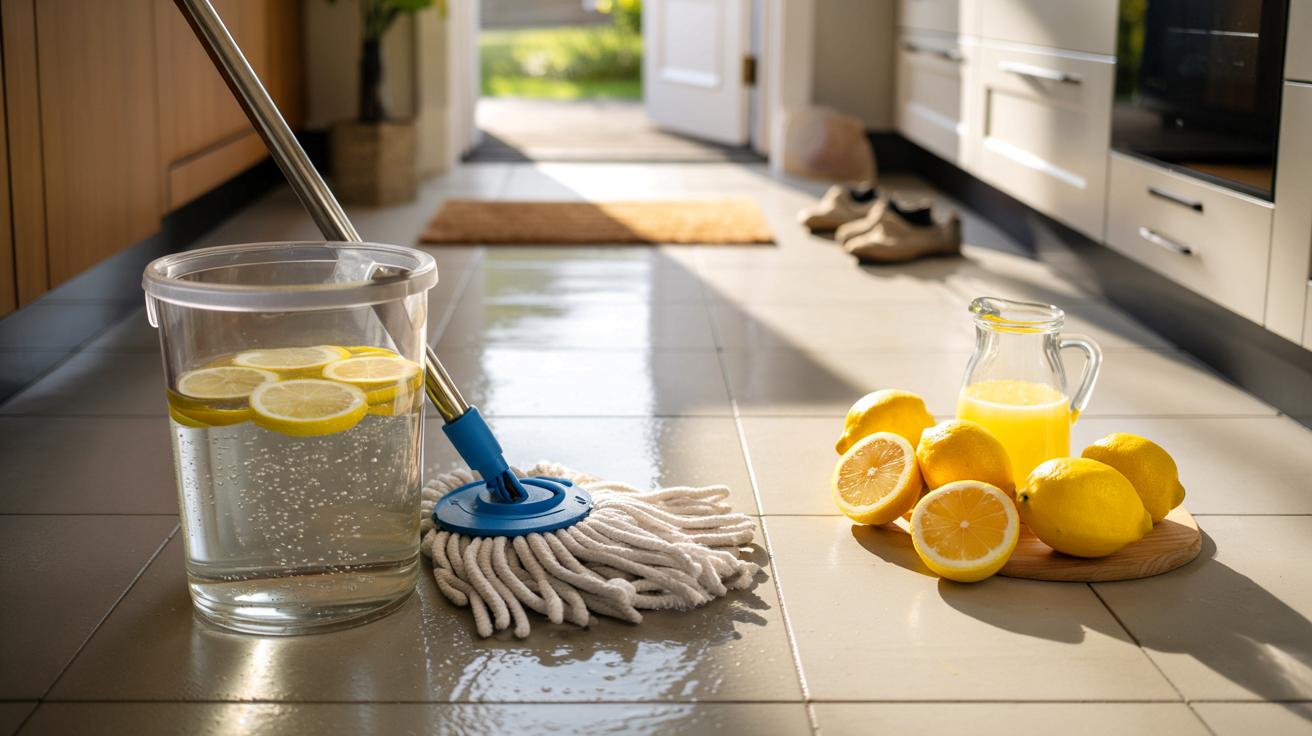
One kitchen staple could quietly fix that.
From muddy footprints to greasy kitchen splashes, our floors catch almost everything that happens at home. Cleaning them properly can feel like a full-time job, yet many people still rely on harsh chemicals that cost plenty and smell even worse. A simple tweak to your mop bucket, using something already in your fridge, can change that routine and keep floors fresh for longer.
Why floors get dirty so quickly
Every step indoors drags in a little piece of the outside world. Soil, fine dust, pollen, street pollution and microscopic debris all end up on your floors. Add pet hair, crumbs, cooking splatters and accidental spills, and the surface you walk on becomes a busy ecosystem.
That build-up isn’t just unpleasant to look at. It can also affect the air you breathe. Dust mites feed on skin flakes trapped in carpets and gaps in floorboards. Bacteria thrive on food residue in the kitchen. If anyone at home has asthma or allergies, a neglected floor can quietly make symptoms worse.
Regular floor cleaning reduces allergens, cuts down bacteria and changes how clean a home actually feels, not just how it looks.
There is also the question of appearance. Smudged tiles and sticky marks suggest a lack of care, even when the rest of the house is tidy. Visitors notice floors almost instantly because they occupy so much visual space. A clean, slightly shiny surface, on the other hand, makes a room look brighter and more welcoming without any new furniture or decoration.
Why many cleaning products disappoint
Supermarket shelves are full of floor cleaners promising shine, disinfecting power and a “fresh” scent. In practice, some of them leave streaks, sticky residue or overpowering perfumes that linger long after the mopping is done.
Many of these formulas contain strong surfactants, preservatives and synthetic fragrances. Used often, they can irritate sensitive skin or trigger headaches. They also tend to mask odours instead of dealing with what’s causing them.
This is where simple household ingredients stand out. When used properly, they can cut through grease, neutralise smells and reduce bacteria, without leaving heavy chemical trails behind.
The surprising kitchen ingredient that transforms your mop bucket
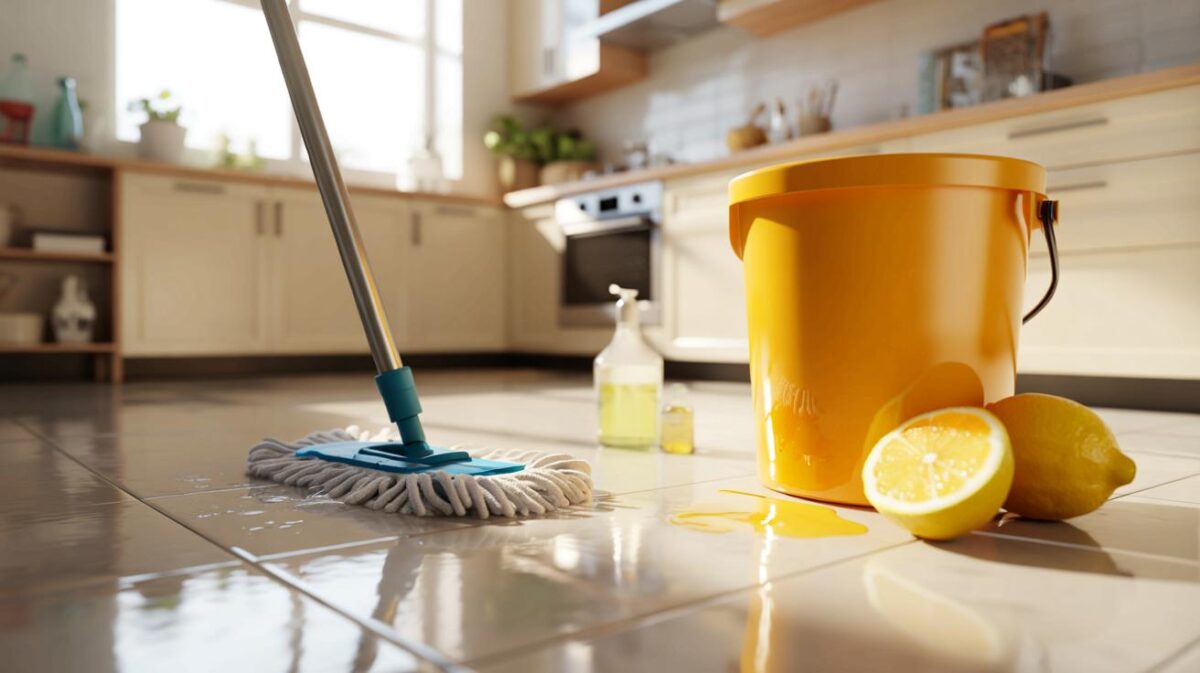
The star of this cleaning trick is the lemon. Not a lab-made concentrate or a neon-coloured detergent, but the same citrus fruit you squeeze over fish or toss into a salad.
➡️ Forget the classic bedroom wardrobe, everyone now wants this space‑saving alternative
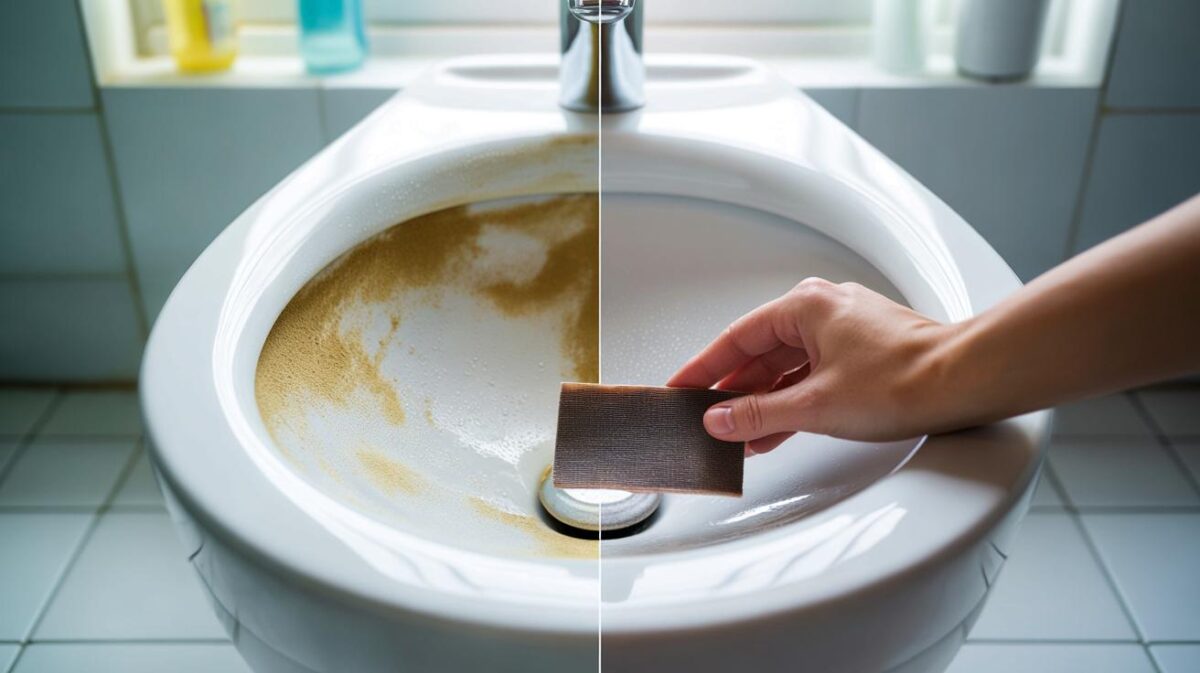
➡️ The product to use to clean the inside of the toilet like new, without effort and in seconds
➡️ Forget bleach and ammonia: the ingredient to add to your mop water for perfectly clean floors
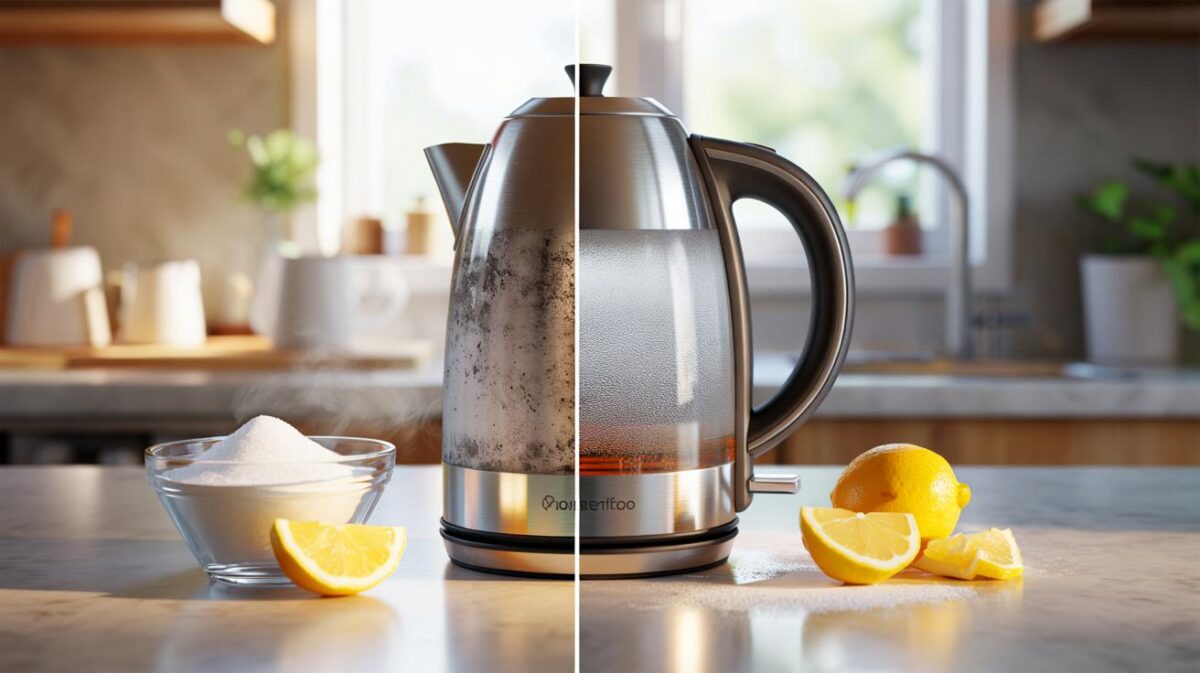
➡️ No vinegar, no soap: the magic trick to banish limescale from your electric kettle
➡️ Warning signs are building: what’s brewing in the Pacific signals a harsher new climate phase
➡️ Few drivers know the meaning of this road sign – and the costly fine it can trigger
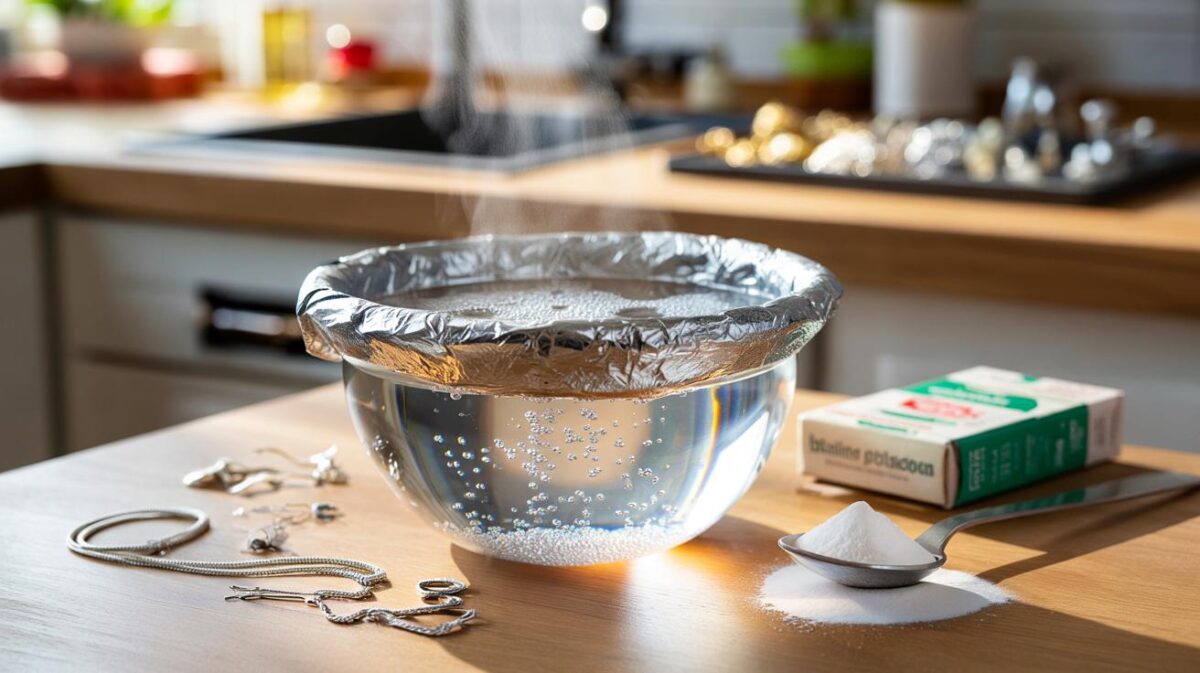
➡️ The simple trick to clean your jewellery easily and make it look new
Lemon juice is naturally rich in citric acid, a mild organic acid with powerful effects on grime.
The key ingredient to add to your mop bucket is fresh lemon juice: it cleans, disinfects and deodorises in a single step.
What lemon actually does on your floors
On hard, suitable surfaces, diluted lemon juice can:
- Help disinfect: Citric acid disturbs the environment many bacteria need, reducing their presence on floors that are cleaned regularly.
- Cut grease: Kitchen floors collect a fine, oily film that traps dust. Lemon helps loosen that film so your mop can lift it away.
- Reduce odours: Instead of just perfuming the air, lemon helps neutralise smells linked to food, pets or dampness.
- Leave a fresher feel: The light citrus scent is short-lived but makes the room feel aired out and cleaner.
Because lemon is acidic, it is especially useful in kitchens or entrance areas with ceramic tiles or other non-sensitive, hard surfaces, where greasy spots and shoe marks are common.
How to use lemon in your mop bucket
The method is simple, but the ratios matter. Too much lemon can damage some materials or leave a slightly sticky film. Used correctly, the solution feels almost like a traditional cleaner, just lighter.
| Item | Quantity | Notes |
|---|---|---|
| Warm water | 5–8 litres (standard bucket) | Not boiling, to protect surfaces and mop fibres |
| Fresh lemon juice | 60–100 ml (about 2–3 lemons) | Strain to remove pulp and seeds |
| Optional: mild washing-up liquid | 2–3 drops | For extra degreasing on very dirty floors |
Stir the mixture gently, soak your mop, then wring it out very well. Excess water is one of the main reasons floors streak and take ages to dry. Work in small sections, rinsing and wringing the mop frequently so you are not just pushing dirty water around.
Always test your lemon solution on a small, hidden patch of floor first to check for dulling or colour change.
Where you should never use lemon
Lemon is not universal. Some materials do not react well to acid at all, even when it is diluted.
Terrazzo, for example, is made from marble or stone chips mixed with a binder. The marble content reacts with acid and can become dull or etched over time. The same applies to similar composite materials often marketed as “granito” or stone-effect floors.
On those surfaces, experts strongly advise skipping lemon and all other acidic cleaners.
- For terrazzo and granito: Use a soft broom, vacuum or a damp mop with a neutral pH cleaner specifically labelled as safe for stone.
- For natural stone like marble or limestone: Avoid lemon completely and stick to specialist products.
Wooden floors also deserve caution. Sealed hardwood may tolerate a very weak lemon solution from time to time, but frequent use can damage the finish. On any wood or laminate, excessive moisture is a bigger threat than the ingredient itself, so a barely damp mop is crucial.
Adapting the trick to different types of floors
Ceramic tiles and porcelain
These are usually safe with diluted lemon. The solution helps remove soap marks, shoe scuffs and cooking residue. Focus on the grout lines as well; a soft brush dipped in the bucket mixture can refresh them gently.
Vinyl and lino
Most modern vinyl and linoleum floors cope well with mild acidic solutions, but check the manufacturer’s instructions. If in doubt, use less lemon and rinse with clean water afterwards to protect the finish.
High-traffic entryways
In hallways where shoes stay on, try a two-step routine: start with a quick vacuum or sweep, then mop with your lemon mix. The first step lifts grit that might otherwise scratch the floor while you mop.
Why this small change helps floors stay clean longer
Grease and invisible residues act like glue, trapping dust and dirt faster. By cutting through that film more effectively, lemon leaves less for new dirt to cling to. That means your floors can look presentable for a longer stretch between deep cleans.
Odour control plays a role too. A floor that smells fresher encourages more regular light maintenance, instead of waiting for a full, exhausting cleaning session. Ten minutes with a bucket and a mop feels more manageable when you are not fighting months of build-up.
Extra tips to make the most of your lemon bucket
There are a few simple habits that strengthen the effect of this trick:
- Place a mat inside and outside each entrance to trap dirt before it hits the floor.
- Ask family members to remove shoes in the hallway for at least part of the home.
- Spot-clean spills with a cloth dipped in the lemon solution before they dry.
- Change the mop water as soon as it starts to look cloudy.
If you are sensitive to citrus, wear rubber gloves while squeezing lemons and during mopping. Rinse your hands after cleaning and apply a simple moisturiser, as any acidic solution can be slightly drying on skin.
Understanding the risks and smart combinations
The main risk with lemon is overuse or excessive concentration. Strong acid on delicate surfaces can etch, fade or roughen them, making future cleaning harder. A second risk is combining lemon with other home remedies in a random way. For instance, mixing a lot of lemon juice with bicarbonate of soda creates a fizzing reaction but cancels out much of the acid that makes the lemon effective.
A more sensible combination is lemon with a very small amount of gentle washing-up liquid, as mentioned earlier. The surfactants in the soap and the acid in the lemon tackle different types of dirt, giving a more balanced clean. Just avoid using too much soap, which can leave a dull film if not rinsed properly.
Used with common sense, that quiet addition to your mop bucket can cut back your reliance on heavy chemical cleaners, keep your floors fresher for longer and make everyday cleaning feel less like a chore and more like a quick reset.